Primary areas of focus including water quality, habitat enhancement, aquatic vegetation enhancement, and other Lake Gaston-related environmental issues.
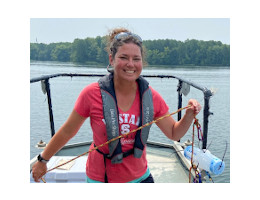
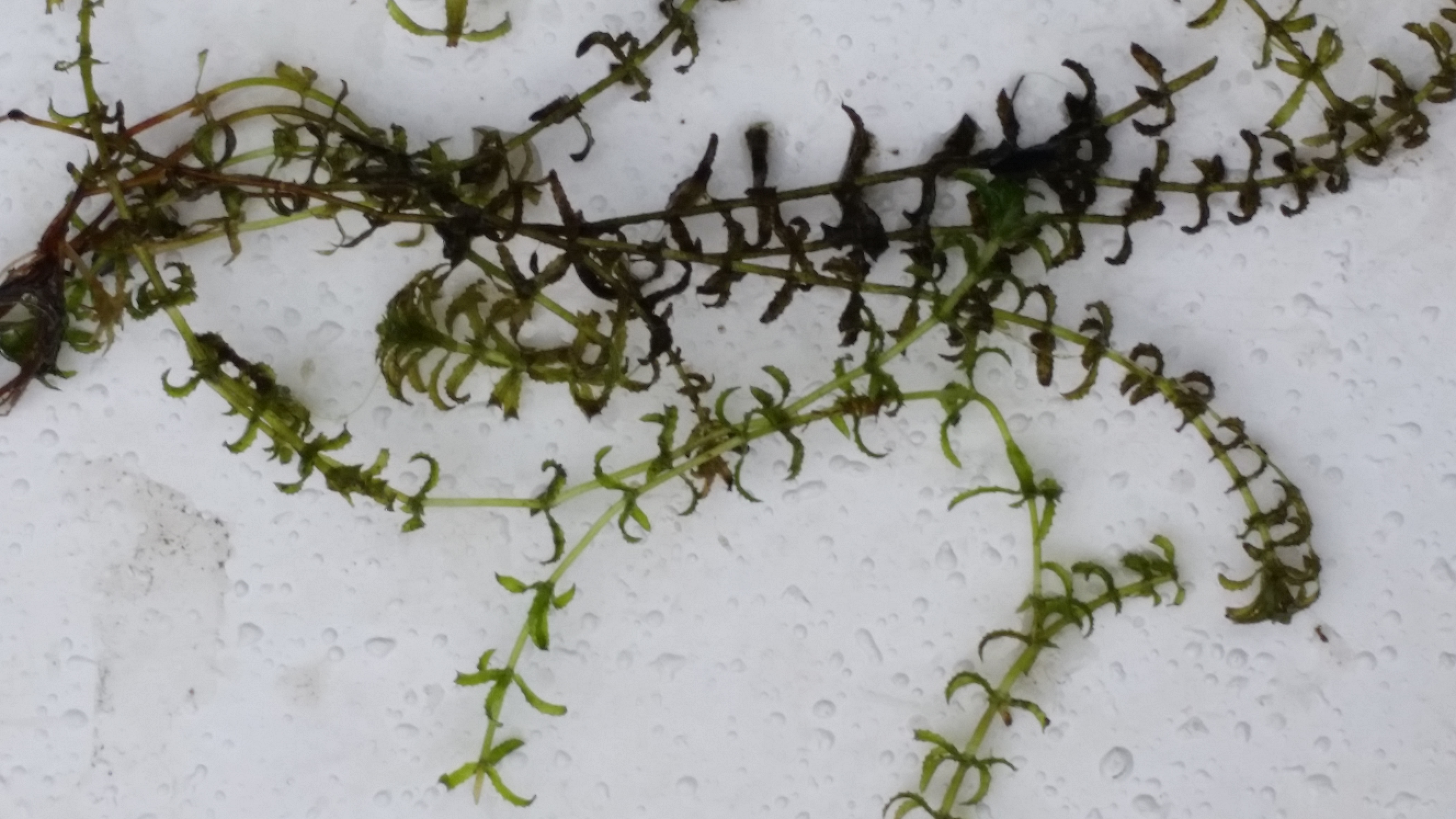
The 2023 LGA Volunteer Aquatic Vegetation Survey wrapped up the last week of October. The survey was conducted by approximately 100 LGA volunteers that surveyed nearly 350 miles of shoreline. There are 114 survey sections, 100 that were completed by the LGA volunteers - the other 14 sections were surveyed by North Carolina State University (NCSU) staff. The LGA volunteers invested nearly 500 hours of time with a “value” of approximately $15,000 to complete the survey. There was a myriad of aquatic plant species sampled, identified, and documented as part of the effort. Native plants such as water willow, American white-water lily, watershield, arrowhead and others were documented in various locations on the lake. In addition, invasive/noxious species such as lyngbya and hydrilla were also documented in locations around the lake. The LGA volunteer survey is a critical component of the larger effort to manage aquatic vegetation at Lake Gaston.
LGA volunteer Judy Waters enters survey data into a handheld tablet.
LGA volunteer John Franz tosses a survey rake to collect a vegetation sample.
Over the next several months, the data collected during the survey will be compiled and analyzed by NCSU professionals looking for trends and changes in aquatic vegetation compared to prior year surveys. The NCSU Team will apply sound scientific principles to look for areas on the lake where invasive/noxious vegetation may require additional management efforts to reduce the presence and spread of the undesirable species. Currently lyngbya and to a lessor extent hydrilla are the primary vegetation species of concern at the lake. The additional management efforts can include chemical treatments, biological controls, and continued monitoring. The NCSU Team will prepare a technical report, including suggested preliminary priority treatment areas, with the results of their assessment sent on to the Lake Gaston Technical Advisory Group (TAG).
The TAG is made up of science professionals from various agencies including the NC Wildlife Resources Commission, NC Department of Environmental Quality & Natural Resources, VA Department of Wildlife Resources, VA Department of Environmental Quality, US Army Corps of Engineers, along with academic organizations NCSU, Virginia Tech, Mississippi State University, and others. Dominion Energy, the operator of Lake Gaston and owner of the land where the aquatic vegetation occurs is also a member of the TAG. The TAG will evaluate the NCSU report and develop recommendations for 2024 aquatic vegetation management actions, including any revisions to the proposed priority treatment areas, as well as identify any longer-term strategies needed to maintain the water quality at Lake Gaston.
The recommendations developed by the TAG will then be reviewed by the “Pete Deschenes” Stakeholders Board which is made up of various stakeholders from across the Lake Gaston region along with other outside organizations. The Stakeholders Board will identify any concerns and provide inputs to the TAG recommendations and forward the results to the Lake Gaston Weed Control Council (LGWCC).
The LGWCC is the organization, made up of elected officials and appointed personnel from the five counties around Lake Gason, is responsible for approving the NCSU reports and TAG recommendations. The LGWCC uses funding from the five counties, the State of North Carolina, the Commonwealth of Virginia, and the City of Virginia Beach to execute contracts for Lake Gaston aquatic vegetation treatment actions and supporting studies. The funding received by the LGWCC is only enough to treat areas of invasive/noxious species across the lake that are of higher priority based on the scientific analysis and assessments. For other locations where aquatic vegetation treatment may be desirable, but not included in the priority areas, HOAs or individual property owners may want to work with licensed applicators to conduct private treatments. Under the Dominion Energy Shoreline Management Plan only approved/licensed chemical applicators are authorized to treat aquatic vegetation on Lake Gaston.
Typically, the entire process of aquatic vegetation analysis/assessment, report development, reviews, recommendations, and final decisions is complete in late winter or early spring. The timing of the process aligns with the need to implement any treatment /management actions in the April timeframe for lyngbya and June timeframe for hydrilla. For additional information please refer to the LGWCC website at http://www.lgwcc.org/
Managing noxious/nuisance aquatic vegetation while enhancing native vegetation on Lake Gaston involves numerous agencies and organizations cooperating in an integrated management effort. These “partners” are at the forefront of helping to ensure Lake Gaston water quality for residents and visitors enjoyment. The quality of life around the lake as well as property values are enhanced when the lake environment can support swimming, boating, fishing, wildlife management and other activities.
Efforts to manage aquatic vegetation on the lake are an ongoing process that involves annual planning, analysis, and project execution each year. A critical element to all this work is obtaining annual funding from Virginia, North Carolina, Brunswick County, Mecklenburg County, Halifax County, North Hampton County, Warren County and Virginia Beach. Without annual funding from these jurisdictions the necessary work cannot be accomplished.
Key stakeholders in the management of aquatic vegetation on Lake Gaston include:
Lake Gaston Weed Control Council (LGWCC) is the primary governing body that oversees the programs to control noxious vegetation and enhance native vegetation on the lake. There are three appointed members on the Council from each of the five lake counties identified above. The Council has been leading the lake vegetation management efforts since 1985. The Council makes decisions and determines how funding is spent to achieve the desired outcomes.
The Technical Advisory Group (TAG) provides the LGWCC with technical data and recommendations based on science to ensure the best information is used when making determinations on how to execute the programs and supporting projects designed to maintain and improve lake water quality and associated aquatic vegetation. Experts from NC and VA wildlife and environmental management agencies along with NC State University, US Army Corps of Engineers, Dominion Energy, and others are part of the TAG.
Lake Gaston Stakeholders Board (LGSB) is comprised of various organizations that have an interest in ensuring aquatic vegetation is managed and water quality is maintained on Lake Gaston. The Board works closely with the LGWCC, TAG and the LGA to ensure that the best interests of the lake environment, including fisheries and wildlife, are part of the vegetation management processes. The Board includes local, regional, state, and federal membership to provide a broad perspective to its deliberations and recommendations.
The Lake Gaston Association (LGA) has critical roles in the vegetation management programs and supporting projects. The LGA, primarily via the Environment Committee, provides volunteer labor to conduct the annual lake vegetation survey which forms the basis for management decisions related to noxious vegetation treatment actions. The LGA volunteers are also the primary labor force behind the annual efforts to enhance native vegetation habitat. In addition, the LGA helps ensure that its membership and other lake residents are aware of plans and proposed actions related to controlling noxious vegetation and enhancing the native vegetation on Lake Gaston.
North Carolina State University (NCSU) provides fisheries and aquatic vegetation program management and technical expertise, including field work, in support of Lake Gaston noxious vegetation management and native vegetation enhancement. Much of the work done by NCSU is via contracts awarded by the LGWCC to conduct studies and prepare reports to help guide the process of aquatic vegetation management control and habitat enhancement for Lake Gaston.
A major success story of controlling noxious vegetation on Lake Gaston involves hydrilla. Most lake residents recall a time when trying to boat or swim in the lake was an unpleasant experience due to the proliferation of hydrilla vegetation. Hydrilla, a non-native aquatic plant, has been known to be present in Lake Gaston since the 1980’s. Thousands of acres of the lake were infested with the “weed.” The management of hydrilla has been ongoing for over 20 years using a combination of stocking sterile grass carp that feed on the plant and the strategic application chemical herbicides in selected areas based on TAG recommendations to the LGWCC. The processes of using grass carp and chemicals to treat hydrilla is a delicate balance to control the “weed,” while minimizing the negative impacts to native vegetation and wildlife in the lake. Today, in 2023, hydrilla is under control on Lake Gaston. It is not eradicated and probably never will be, due to its ability to remain viable as tubers rooted in the lake floor for many years. Hydrilla is still present in the upper reaches of many creeks and streams that feed into Lake Gaston and is one reason we must continue to survey, monitor, and actively treat for hydrilla when conditions indicate the need. For 2023 the TAG recommended, and the LGWCC approved treatment of up to 166 acres for hydrilla control.
A new aquatic vegetation “enemy” is currently being fought in the waters of Lake Gaston - lyngbya. Lyngbya, technically a cyanobacteria, is a blue green alga that forms black mats either below (winter/spring) or on the water surface (summer/fall) depending on the season. It is a nasty character that has been known to be present in Lake Gaston since the mid-1990’s. Lyngbya presents a host of issues including:
·skin/eye irritation in humans
·potential poisoning in pets
·foul odors and displeasing aesthetics
·impacts to swimming and boating
·impacts to fisheries and wildlife
In recent years, lyngbya has expanded in areas around the lake for reasons not yet fully understood. The stakeholders, via a LGWCC contract with NCSU, are currently studying and actively working to treat and control lyngbya. Much of the work accomplished and underway is leading edge science as there is not a lot of available information or experience in effectively dealing with lyngbya. The work to treat and manage lyngbya is showing some improvements with reductions in treated areas ranging from 16% to 30%, depending on the treatment timeframes. In 2022 there were 375 acres of the lake treated for lyngbya by the LGWCC. This does not include additional treated acreage performed by private contractors paid for by lake HOAs and individual residents The 2022 LGA/NCSU vegetation survey indicated approximately 1285 acres of lyngbya present in varying degrees of abundance. The TAG recommended to the LGWCC that up to 500 acres be treated for lyngbya in 2023, depending on funding availability.
Unfortunately, the treatment and control of noxious vegetation is an expensive and long-term effort. As can be seen from the numbers above, its not possible to treat all the lake areas where lyngbya has been identified with the funding the LGWCC currently receives from the stakeholder jurisdictions. Lake HOAs and individual property owners will continue to need to step up and fund treatment in many areas as well. Without annual full funding support from all five counties and both states its not possible for the LGWCC and its partners to continue to do their part to keep hydrilla under control and bring lyngbya under control. If you are reading this article you need to let your County Commissioner and state representative know that managing noxious aquatic vegetation on Lake Gaston is important to you and deserves their interest and full funding consideration in the annual budget.
The North Carolina State University’s Aquatic Plant Management Program has played an active role in understanding the ongoing infestation of Lake Gaston by the filamentous, mat-forming cyanobacterium (blue-green alga), Lyngbya.
At our annual membership meeting on June 17th, Jessica Baumann, NCSU extension associate, provided us insight into the biology of Lyngbya and explained current management by the Lake Gaston Weed Control Council. She also discussed ongoing research aimed at identifying potential negative impacts for both humans and native aquatic fauna due to interactions with Lyngbya. Since Lyngbya is a cyanobacteria, the main focus of her presentation was ongoing research that focuses on the potential of cyanotoxin production from Lyngbya within Lake Gaston and what that means for those who enjoy being in and around the lake.
In areas of North America where Hydrilla has become established, Hydrilla has major detrimental impacts on water use. Hydrilla adversely affects aquatic ecosystems by forming dense canopies that often shade out native vegetation.